
Decide what to build — before the pixels.
User research, problem framing, opportunity sizing, and a prioritized roadmap with success metrics — for teams that need direction more than they need another screen. The strategy that points your shipping at the metric you actually care about.
You're shipping features, and the metric still isn't moving.
It's the quietest kind of failure: the team is busy, the roadmap is full, releases go out — and the number that matters sits flat. Almost always the cause is upstream of design. The roadmap is a wishlist ranked by who asked loudest, not a set of problems tied to the metric. We work backwards from the outcome you care about to the handful of user problems that actually drive it, and rebuild the roadmap around those. Less building the easy-to-agree-on; more building the thing that moves the line.
Busy isn't the same as moving.
Each symptom points upstream — to what you're building, not how fast.
- 01
You're shipping features but not moving the metric
A roadmap worked backwards from the outcome you actually care about.
- 02
The roadmap is a wishlist
Problems and opportunities, sized and prioritized — not a backlog of asks.
- 03
Engineering wants direction
Clear problems and the why, so the team can move fast on the right thing.
- 04
Every decision gets re-litigated
A decision log, so 'why aren't we building X?' has a written answer.
- 05
Research happens, then gets shelved
Insight shaped into something the next roadmap decision actually uses.
Direction your team can act on.
Not a deck that ages on a shelf — artifacts the next decision actually uses.
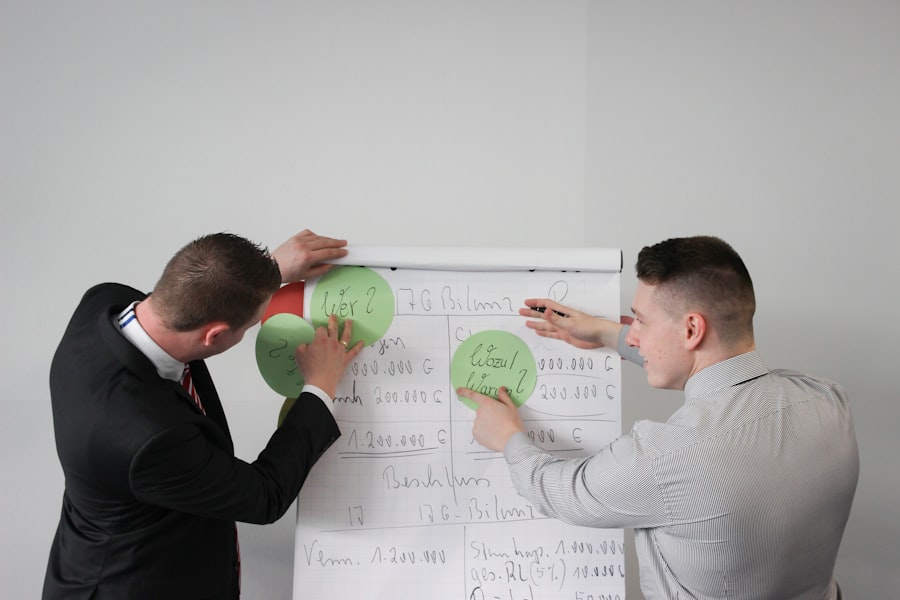
Research summary
What users actually struggle with — from interviews, analytics, and support.

Problems & opportunities
The few that move the metric, framed clearly — not a wishlist.

Prioritized roadmap
Ranked by impact, confidence, and effort, with the reasoning visible.

Metrics & decision log
A success metric per initiative, and a record of the calls you made.
From a question to a roadmap you can defend.
- 1Research
- 2Frame
- 3Size
- 4Prioritize
- 5Measure
Each step earns the next: research surfaces the real problems, framing sharpens them, sizing and prioritization force the trade-offs into the open, and metrics make “did it work?” answerable later.
Evidence, not the loudest opinion.
We run a focused round of research — user interviews, your product analytics, and the themes already sitting in support and sales — so the strategy rests on what people actually do, not on whoever argues hardest. It doesn't need to be exhaustive; a dozen good conversations usually overturn an assumption the roadmap was quietly built on.
- Interviews with real users
- Signals from analytics, support, and sales
- Assumptions tested, not trusted
- A summary the team will actually read


Frame the problem worth solving.
A feature is an answer; we make sure it's answering a real question. We turn raw research into clear problem statements and opportunities, each tied to the metric it would move — so the conversation shifts from 'should we build this screen?' to 'is this the problem worth our quarter?'
- Clear problem statements
- Opportunities tied to the metric
- The why behind each, written down
- A shared language for trade-offs
Prioritized, sized, and measurable.
We score opportunities on impact, confidence, and effort — with engineering in the room so feasibility is real — and turn them into a ranked roadmap with a success metric per initiative. The trade-offs are visible, so you can disagree with an input instead of the whole plan, and 'did it work?' has an answer later.
- Ranked by impact / confidence / effort
- Feasibility checked with engineering
- A success metric per initiative
- Reasoning visible, decisions logged


With your team, not at it.
Embed with the team
We start inside your context — the goals, the constraints, and the metric you're actually measured on.
Talk to users
Interviews and analytics to find where the value and the friction really are.
Frame & size
Raw findings become clear problems and opportunities, each sized against the metric.
Prioritize together
We score and sequence with you and engineering, so the roadmap is owned, not handed down.
Hand off direction
A roadmap, metrics, and a decision log your team can act on the next morning.
The roadmap needs a reason, not just a list.
Shipping, but the metric is flat
The team is busy and the releases go out — and the number you report to the board hasn't moved.
The roadmap is a wishlist
It's every idea anyone's had, ranked by volume. Saying no has become impossible.
Engineering is flying blind
Good engineers, no clear direction — so effort goes where it's easy to agree, not where it counts.

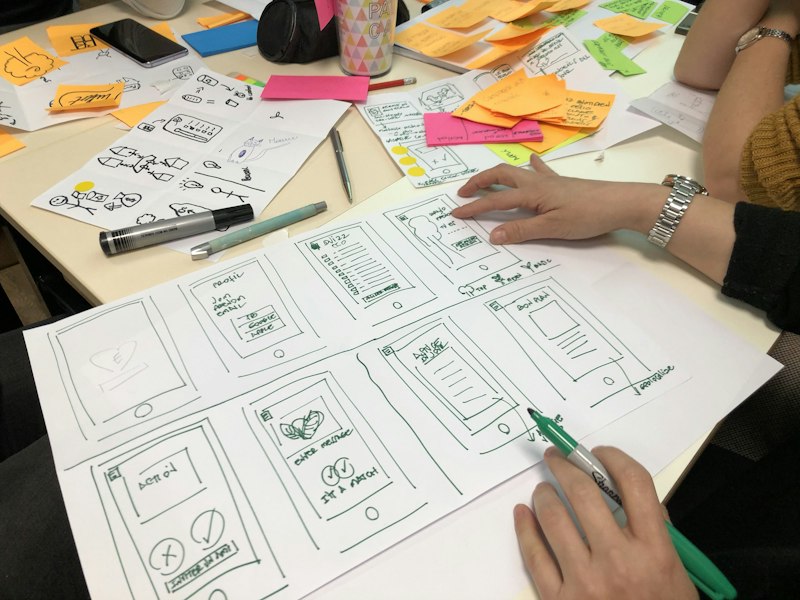
Methods chosen for decisions, not ceremony.
The things teams ask first.
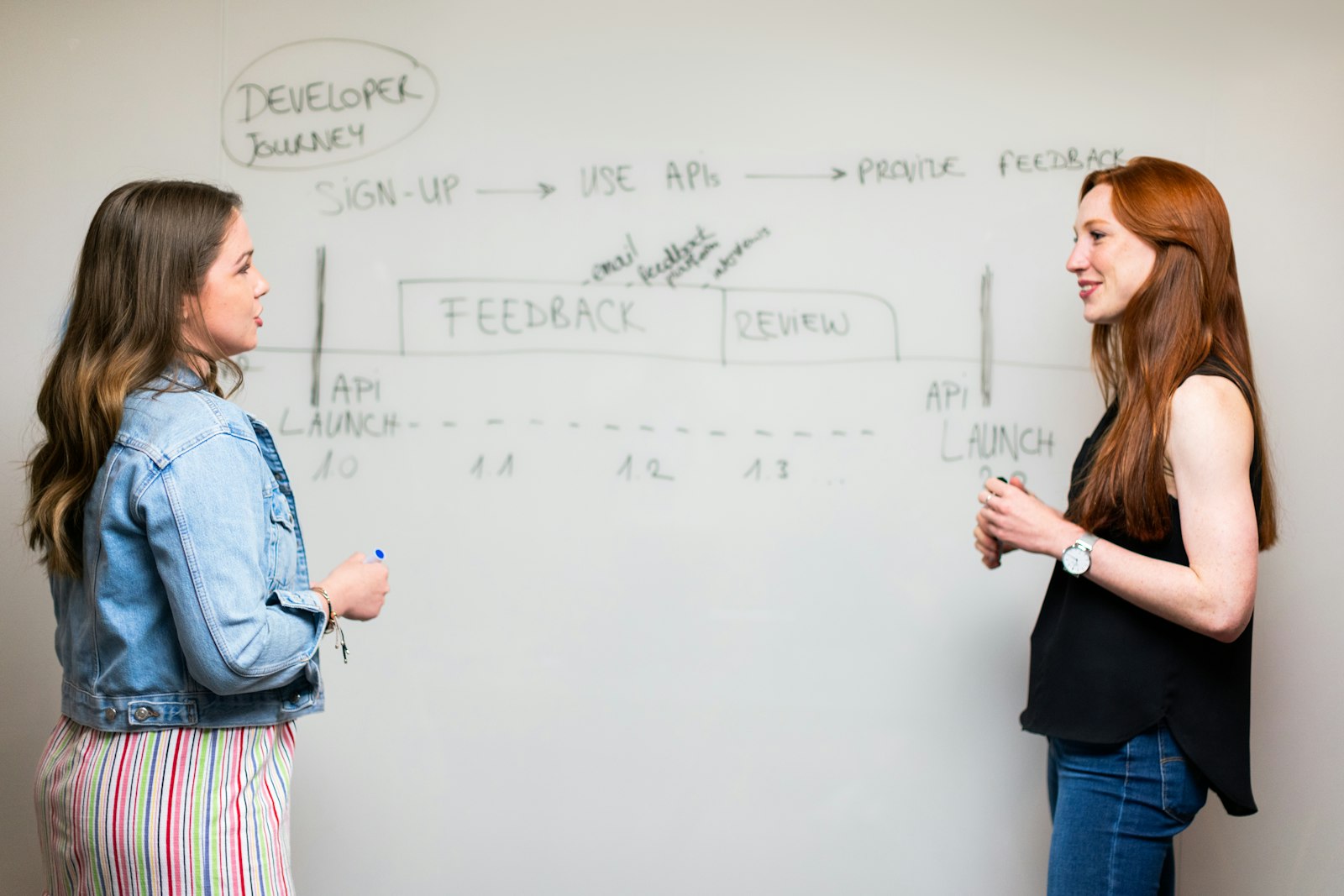
Point the roadmap at the metric.
Tell us the number that isn't moving and what's on the roadmap today. We'll research the real problems behind it and hand your team a prioritized, measurable plan they can act on — direction before pixels.