
Take the money, every way they pay.
Multi-provider payments — cards, konbini, bank transfer, PayPay, and the local rails of every market you sell in — behind one abstraction, so your product code never has to know who's processing the charge.
The rails we run
One checkout, the right method for every market — read it like a departures board.
Cards
GlobalKonbini
JPBank transfer
JP / EUPayPay
JPApple & Google Pay
GlobalGrabPay & local wallets
SEASEPA, iDEAL & Bancontact
EU







Your customer's preferred way to pay is the one you don't support yet.
Every market has a method people reach for by reflex. In Japan it's konbini, bank transfer, and PayPay; in Southeast Asia it's a local wallet; in Europe it's SEPA or iDEAL. When that method is missing from your checkout, the customer doesn't pay a different way — they leave. Cards alone quietly cap your conversion in exactly the markets you most want to grow. The fix isn't bolting on one provider after another until the code is a tangle of special cases. It's building one abstraction the whole product talks to, so adding the next preferred method is a configuration change, not a rebuild.
Your product code makes one call — charge, capture, refund — and never learns who actually moved the money.
Checkout, orders, subscriptions.
Routing, tokens, idempotency, failover.

Provider abstraction layer
A single internal interface for charge, capture, refund, and status. Add a method or swap a processor behind it and your checkout, order logic, and finance reports stay exactly as they are.
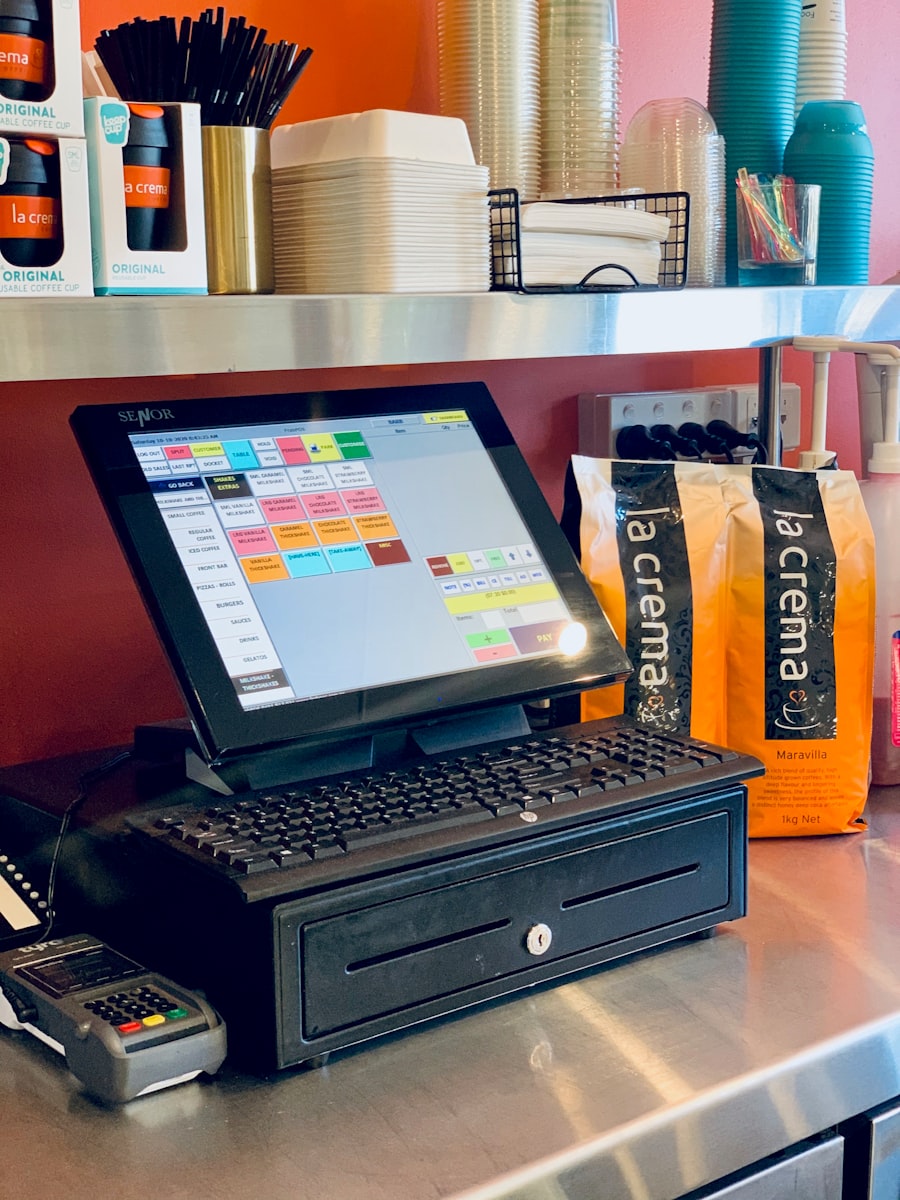
Local-rail support — JP / SEA / EU
Konbini, bank transfer, and PayPay in Japan; local wallets across Southeast Asia; SEPA, iDEAL, and Bancontact in Europe. The right method shown to the right customer, in the right currency.

Refunds & partial captures
Capture less than you authorised when an order ships short, and issue full or partial refunds through the same interface — with the awkward cases like konbini returns handled explicitly, not improvised.

Reconciliation reports
Every charge, capture, refund, and payout matched against what each provider actually settled — across rails and currencies, including async konbini and bank-transfer payments. One view for finance, not five dashboards.

Fallback provider failover
When a processor has an incident, the abstraction retries the charge through a healthy one — guarded by idempotency keys so a retry can never become a double charge. Outages cost you nothing; customers never notice.
The charge clears. The code never knew the difference.
Card, konbini, or PayPay — one interface, settled and reconciled the same way.
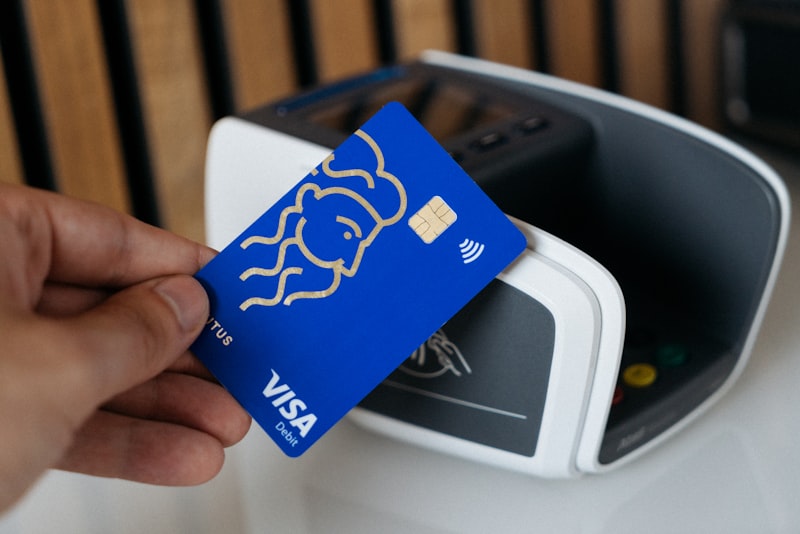
The moment money changes hands.






Map the rails
Which methods your customers actually want, in which markets, and where you lose them today.
Design the interface
The one abstraction, the providers behind it, and the routing and failure rules — decided up front.
Build & tokenise
Cards and local rails wired in, card data tokenised, idempotency and retries built around every call.
Reconcile & verify
Match every charge to its settlement, prove refunds and partial captures, test failover under load.
Operate & optimise
Hand over reconciliation reports and routing controls so you can shift volume on cost and add rails over time.
Questions teams ask first.

A method your customers want, missing from your checkout?
Tell us which markets you sell in and which rails you're missing — konbini, PayPay, SEPA, or a second processor for failover. We'll build the abstraction that adds them without your product code ever knowing.