
Reliable delivery, both ways.
Webhooks that keep their promises — outbound with retries and signing, inbound with idempotency and replay. The boring infrastructure that makes integrations not break at 3am. When one slips, you can see it, sign it, and send it again.
One event, followed all the way.
Every delivery is a story with a timestamp. A 5xx isn't a lost event — it's a retry on a backoff schedule. A duplicate isn't damage — it's a dedupe. A missed window isn't a scramble — it's a replay. This is what a single webhook's life looks like when the plumbing actually holds.
delivered
order.created sent to acme-erp · 200 OK in 240ms
503 — retry scheduled
partner gateway briefly unavailable · next attempt in 2s
504 — retry scheduled
still timing out · backing off with jitter · next attempt in 8s
redelivered ✓
same event id, same payload, same signature · 200 OK
deduplicated
receiver saw the id before · ignored, no double-charge
replayed from archive
missed window after their maintenance · 1,284 events resent in order
A webhook you can't replay is a webhook you can't trust.
Sending an event once, on the happy path, is the easy 80%. The trust lives in the other 20%: the receiver that was down for an hour, the ack that got lost so the event arrives twice, the maintenance window that ate a whole afternoon of deliveries. If you can't prove what was sent, retry what failed, and replay what was missed, every integration is one bad night away from a reconciliation by hand. We build the part that makes a webhook keep its word — the archive, the retries, the signatures, and the button that sends it again.
Outbound — you send
Events leaving your system, reliably and provably.
Retries with backoff
Transient failures retry on a jittered schedule instead of vanishing.Signed payloads
HMAC over the raw body plus a timestamp, with key rotation that doesn't break anyone.Ordering where it matters
Partitioned by entity so a status never arrives out of sequence.Customer config & visibility
Self-serve endpoints, secrets, and a delivery feed they can read themselves.
Inbound — you receive
Events arriving from others, safely and exactly once in effect.
Signature verification
Every partner event is authenticated and timely before a byte is trusted.Idempotency
Keyed on the event id, so a redelivery is recognised and harmless.Ack fast, process async
Accept quickly, queue durably, and do the real work off the request path.Replay the unhandled
Anything you couldn't process at the time can be re-run from the archive.
What we deliver
Five pieces that turn webhooks from a liability into infrastructure.
Outbound webhook system
A real delivery engine, not a fire-and-forget POST. Events are queued durably, retried with backoff and jitter, signed so receivers can verify them, and ordered where it matters. A failing endpoint is marked, its owner is alerted, and nothing is dropped on the floor.

Inbound receiver with idempotency
An endpoint that accepts fast, verifies the signature, and processes off the request path. Every event is deduplicated against its id, so partners can deliver at-least-once and you stay exactly-once in effect — no double orders, no double charges, no conflicting state.

Replay & audit tooling
Every event is archived with its full payload and delivery history. Replay a single delivery, every event to one endpoint, or a whole time window. When something goes wrong, the answer is a lookup and a resend — not a forensic dig through server logs.

Customer-facing webhook config UI
A self-serve surface inside your product: register endpoint URLs, pick event types, reveal and rotate signing secrets, and inspect recent deliveries with a resend button. Onboarding a consumer stops being a support ticket and becomes a settings page.

Health & delivery metrics
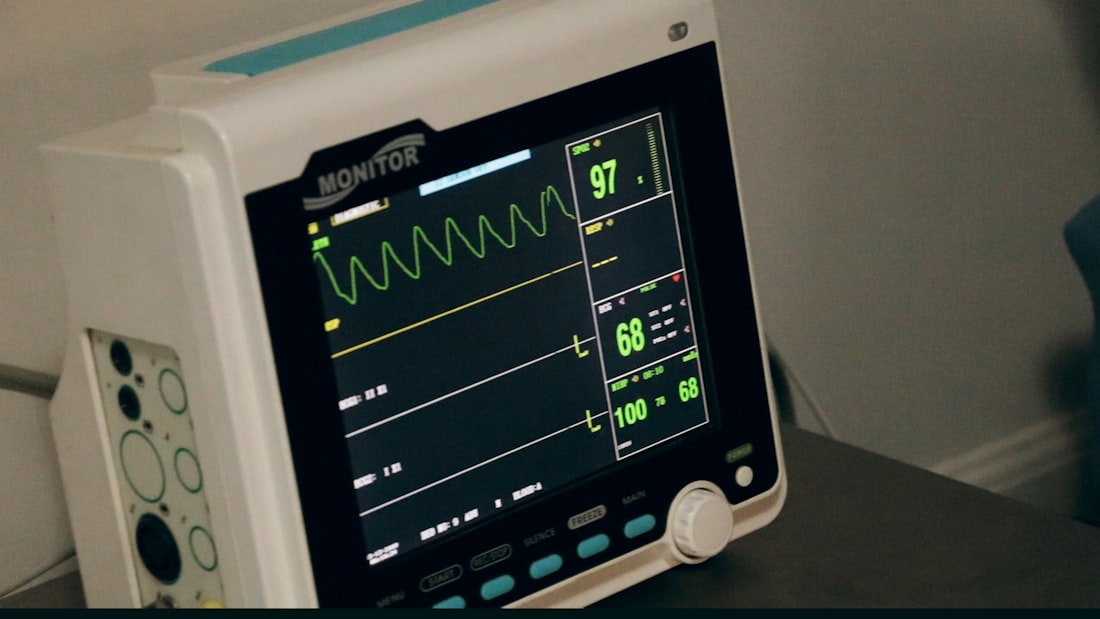
Success and failure rates, delivery latency, retry depth, and per-endpoint health — so you can see events flowing and catch one partner quietly failing before they notice. Alerts go to the right channel the moment delivery drifts.
Built so 3am is uneventful.
Retries absorb the blips, the archive remembers everything, and replay cleans up the rest by morning.
The infrastructure behind a delivery that just lands.









Read the log
Audit what you send and receive today, where deliveries fail, and what nobody can prove happened.
Design the contract
Event shapes, ids, signing, retry policy, and the replay model — decided before code.
Build the engine
Durable queue, backoff, signatures, idempotent receiver, and the archive underneath it all.
Surface it
Customer config UI, delivery feed, health metrics, and alerts wired to the right channel.
Operate & replay
Hand over an operator view so a missed window is a one-click resend, not an incident.
Questions teams ask first.
Tired of losing events?
Tell us where your webhooks let you down — the unreliable deliveries, the duplicate complaints, the night you couldn't replay what you missed. We'll build the delivery engine, the receiver, and the replay tooling that make integrations boring again.