
Fix the slow path your customers actually feel.
Real-user monitoring, flamegraph profiling, and surgical fixes across database, render, and network — aimed at the pages your customers are actually waiting on, not a generic checklist. We measure the slow path, find where the time goes, and fix it where it counts.
Generic 'best practices' optimize the path nobody's on.
You can lazy-load every image, tree-shake every bundle, and add every header a blog post recommends — and your slowest page can still be slow, because the time was never there. Real users feel one path: the queries your dashboard runs, the render that blocks on the main thread, the request that waits on a third party. We start from real-user data, profile the hot path until we can see exactly where the milliseconds go, and fix those — then put a budget and a test around it so the win doesn't quietly erode. The goal isn't a better Lighthouse score. It's a page that feels fast to the person using it.
Fast for you in dev. Slow for the people paying you.
Each symptom points back to the same fix — measure the real path, then cut where the time is.
- 01
Slow pages are costing you conversion
We find which slow pages lose the money and fix those first, measured against revenue.
- 02
p95 latency keeps creeping up
Profiling the tail, not the average, so the slow experiences shrink — not just the easy ones.
- 03
Mobile performance is poor
Measured on real devices and networks, then tuned for the conditions your users actually have.
- 04
You've tried 'best practices' already
A flamegraph that shows where time really goes — fixes aimed at evidence, not folklore.
- 05
A win fades a quarter later
A performance budget and CI checks that fail the build before a regression ships.
Everything a measured speed-up needs.
Aimed at the slow path your customers see — chosen from evidence, not a checklist.

RUM data analysis
Real-user monitoring read for what actually hurts — by page, device, and percentile.
Hot-path profiling
Flamegraphs and traces that show where the milliseconds really go, not where you guessed.
Database fixes
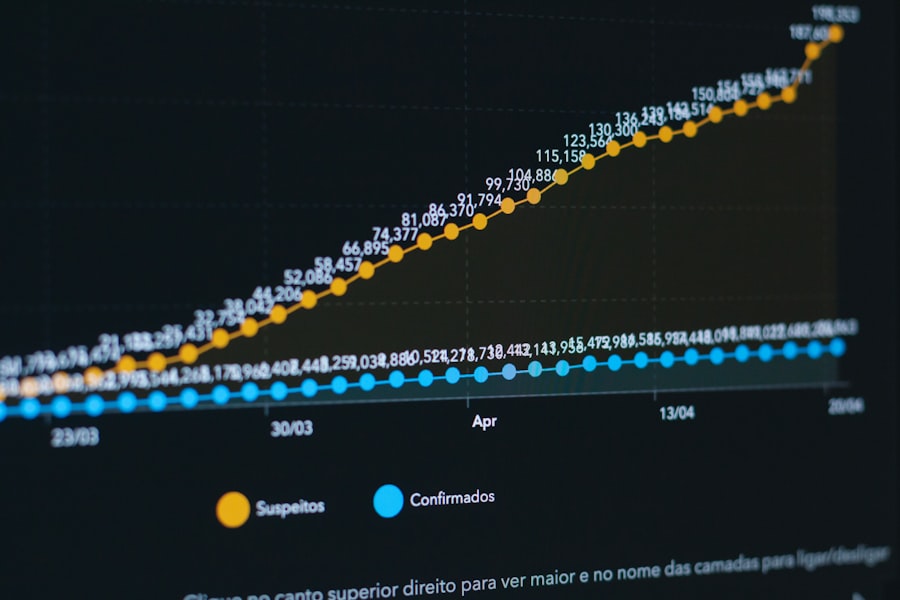
Slow queries, missing indexes, and N+1 patterns found in the trace and removed.

Render & network fixes
Main-thread work, blocking requests, and oversized payloads cut on the paths that matter.

Performance budget
Concrete limits per page so 'fast' has a number the team can hold to.

Regression tests
CI checks that catch a slowdown before it ships, not after a customer complains.
From real-user data to a fix that holds.
- Measure01
- Profile02
- Fix03
- Verify04
- Guard05
We start from what real users experience, profile the hot path until the time is visible, fix where the evidence points, verify the win against the same data — then put a budget and a check around it so it stays fixed.
Start with what your customers feel.
Lab scores tell you how a page does on a clean laptop on fast wifi. Your customers are on a mid-range phone on a flaky network with your real data. We instrument real-user monitoring and Web Vitals, then read the slow path by page, device, and percentile — so we work on the experiences that actually exist, not an idealised one.
- Real-user monitoring and Web Vitals
- Slow path read by page and device
- p95 / p99, not just the average
- Synthetic checks to back up the field data


See exactly where the time goes.
Guessing at performance wastes weeks. We profile the slow path with flamegraphs, distributed tracing, query plans, and bundle analysis until the cost is visible down to the function, the query, and the request. When you can see the time, the fix stops being a debate and becomes a decision.
- Flamegraphs of the actual slow request
- Distributed tracing across services
- Query plans for the slow queries
- Bundle analysis for what ships to the client
Surgical fixes, not a rewrite.
Most of the time is in a handful of places: a query without an index, a render that blocks the main thread, a payload that's ten times bigger than it needs to be. We fix those — database, render, network, and caching — in priority order by impact, and stop when the page is fast, not when the checklist is empty.
- Database: indexes, N+1, slow queries
- Render: main-thread work and re-renders
- Network: blocking requests and payload size
- Caching where it removes work entirely


A budget so the speed stays.
A speed-up that erodes over the next quarter wasn't really a win. We set a performance budget — concrete limits per page — and wire regression tests and CI checks that fail the build when a change blows the budget, with alerts on the real-user metrics so drift is caught in days, not on the next complaint.
- A performance budget with real limits
- Regression tests on the key journeys
- CI checks that block a slow change
- Alerts on real-user metrics for drift

Measured speed-ups, done deliberately.
Measure the real path
We instrument real-user monitoring and read the slow path by page, device, and percentile — and tie it to what it costs you.
Profile the hot path
Flamegraphs, traces, query plans, and bundle analysis until we can see exactly where the milliseconds go.
Fix in priority order
Targeted fixes across database, render, network, and caching — biggest impact first, stopping when the page is fast.
Verify against the data
We confirm the win on the same real-user and percentile metrics we started from — not a fresh lab score.
Set the budget & guard it
A performance budget, regression tests, CI checks, and alerts so the speed-up holds long after we leave.
The speed has quietly started costing you customers.
Slow pages cost conversion
You can see it in the funnel — the pages people wait on are the pages people leave, and the revenue follows them out.
p95 latency is growing
The average looks fine, but the tail is getting worse, and the slowest experiences are the ones customers remember.
Mobile performance is poor
It feels fine on your laptop and miserable on a real phone on real data — which is where most of your traffic lives.

Proven tools, pointed at the real bottleneck.
The things teams ask first.
Make the slow path the fast one.
Tell us which pages feel slow and what they cost you. We'll measure the real-user path, profile until the time is visible, fix where it counts, and leave a budget and tests behind so the speed-up actually sticks.