
Production deploys that are boring.
Architecture, infrastructure as code, environment parity, managed secrets, and deploy pipelines with rollback — on AWS, GCP, or Vercel. The kind of setup where shipping to production is a non-event, not a ritual with crossed fingers.
A deploy should be a non-event. Right now it's a ritual.
Somewhere there's a person who knows the order of the steps, a server they SSH into, and a checklist half-remembered from the last time it broke. That's not a deploy process — it's a liability with a heartbeat. We replace it with infrastructure described in code, environments that actually match, secrets handled properly, and a pipeline that builds, tests, ships, and rolls back the same way every time. The goal isn't clever infrastructure. It's a production deploy nobody has to be brave for.
Deploy day shouldn't need a runbook of nerves.
Each familiar symptom has the same answer — discipline, encoded once.
- 01
Deploys are manual and a little scary
A pipeline that builds, tests, ships, and rolls back — the same way, every time.
- 02
Staging and prod have drifted apart
Environments built from the same code, so staging predicts production.
- 03
Secrets live in .env files
A managed secret store, scoped per environment, injected at deploy.
- 04
Nobody fully understands the cloud account
Infrastructure as code — reviewable, reproducible, and diff-able.
- 05
A bad deploy means a scramble
Versioned releases with a fast, boring rollback to the last good build.
Everything a calm deploy needs.
On AWS, GCP, or Vercel — chosen for what you actually run, not for a logo.
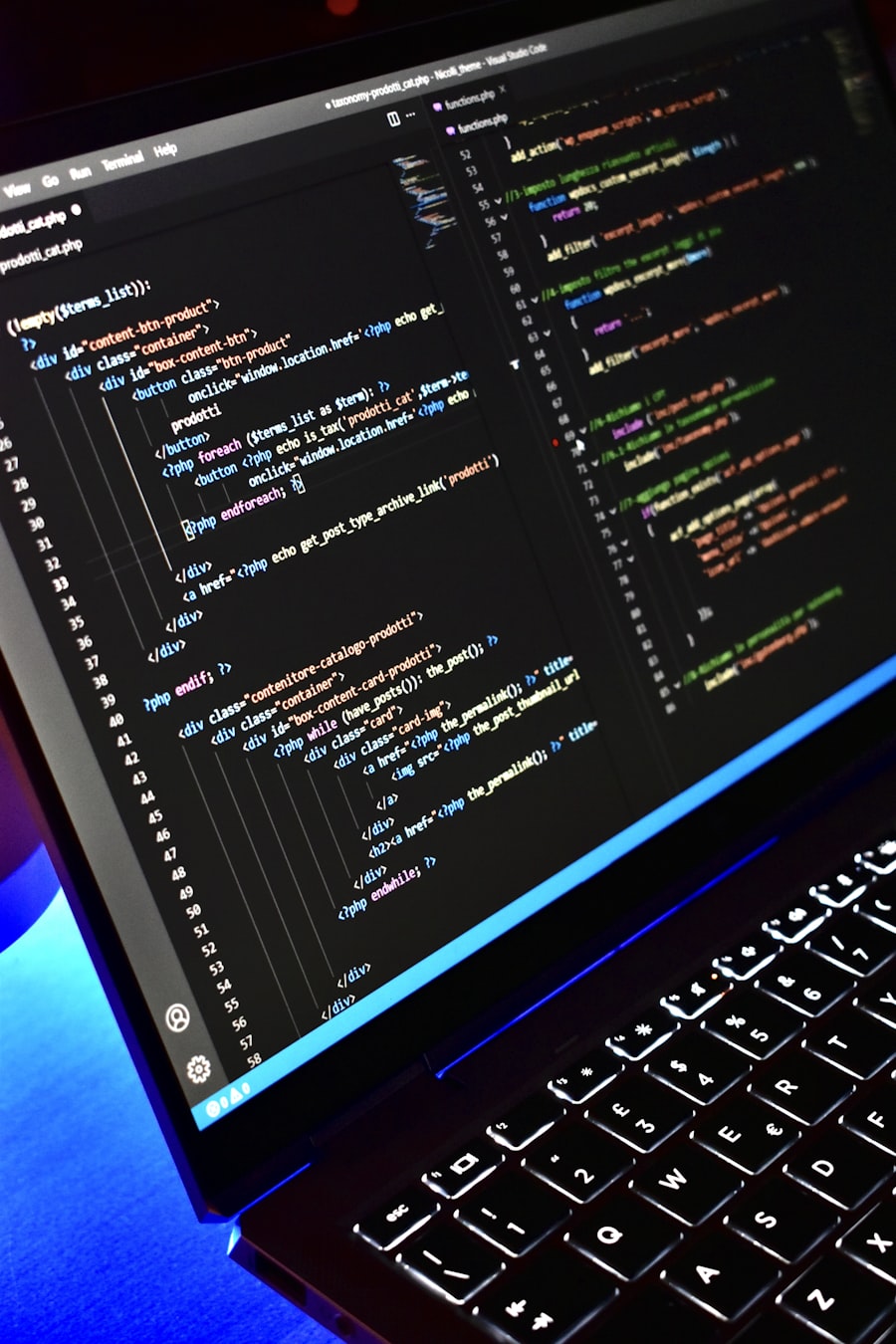
Architecture & rationale
A diagram and the why behind it — chosen for your scale, not a hypothetical one.

Infrastructure as code
Terraform or Pulumi — your whole stack reviewable and reproducible.

Environment parity
Dev, staging, and prod built from the same source, differing only by inputs.

Secret management
Keys out of .env files and into a managed store, scoped and rotatable.
Deploy pipeline
Build, test, ship, and roll back — one button, every time.
Cost visibility
Budgets, alerts, and a dashboard so spend never surprises you.
From commit to production, the same way every time.
- Commit01
- Build02
- Test03
- Deploy04
- Monitor05
Every push runs the same path — tested before it ships, deployed without hand-holding, watched after it lands, and revertible in one step if something looks wrong.
Designed for your scale, not Netflix's.
We start with a diagram and the reasoning behind it — the compute, data, and networking your workload actually needs today, with a clear path to grow. No cargo-culted microservices, no over-provisioning for traffic you don't have yet.
- A diagram and the rationale behind it
- Right-sized compute, data, and networking
- AWS, GCP, or Vercel — chosen, not defaulted
- A clear path to scale when you need it

Staging that actually predicts production.
When environments are configured by hand, they drift, and staging stops meaning anything. We build dev, staging, and prod from the same infrastructure code, differing only by their inputs — so what passes in staging behaves in production, and a new environment is a command, not a project.
- Dev / staging / prod from one source
- Differences are inputs, not surprises
- A new environment in minutes
- Changes reviewed in a pull request
Keys out of .env, into a vault.
Secrets in files get committed, copied, and shared with no rotation and no audit. We move them into a managed secret store, scoped per environment and injected at deploy time, so your code stops carrying its own keys and access is something you can actually control and revoke.
- Managed store (Secrets Manager / Vault)
- Scoped per environment
- Injected at deploy, not committed
- Rotation and revocation possible


One button to ship. One to undo.
Each deploy is versioned and immutable, triggered the same way every time, with rollback designed in rather than improvised. Where it fits, blue-green or canary releases catch a bad deploy on a slice of traffic before it reaches everyone.
- Versioned, immutable releases
- One-step rollback to last good build
- Blue-green / canary where it fits
- Protected production with approvals

Boring deploys, built deliberately.
Map what you run
We review your stack, environments, and the current deploy path — including the parts that live in someone's head.
Design the architecture
We choose the platform and shape the infrastructure for your real workload, with the reasoning written down.
Codify infrastructure
Terraform or Pulumi for the whole stack, plus a managed secret store and environment parity.
Build the pipeline
Build, test, deploy, and rollback wired up, with protected production and preview environments.
Cut over & hand off
Reversible migration, a cost dashboard, runbooks, and a deploy your team can own.
The deploy has become the scariest part of the week.
Deploys are manual and risky
Every release depends on the right person doing the right steps in the right order — and remembering them.
Environments drift
Staging stopped predicting production a while ago, so 'it worked in staging' means nothing now.
Secrets are in .env files
One accidental commit from a leak, with no rotation and no record of who has what.


Proven infrastructure tools, used with restraint.
The things teams ask first.

Make the deploy the boring part.
Tell us how you ship today and where it goes wrong. We'll design the architecture, codify the infrastructure, and build the pipeline that turns production deploys into a non-event — on AWS, GCP, or Vercel.